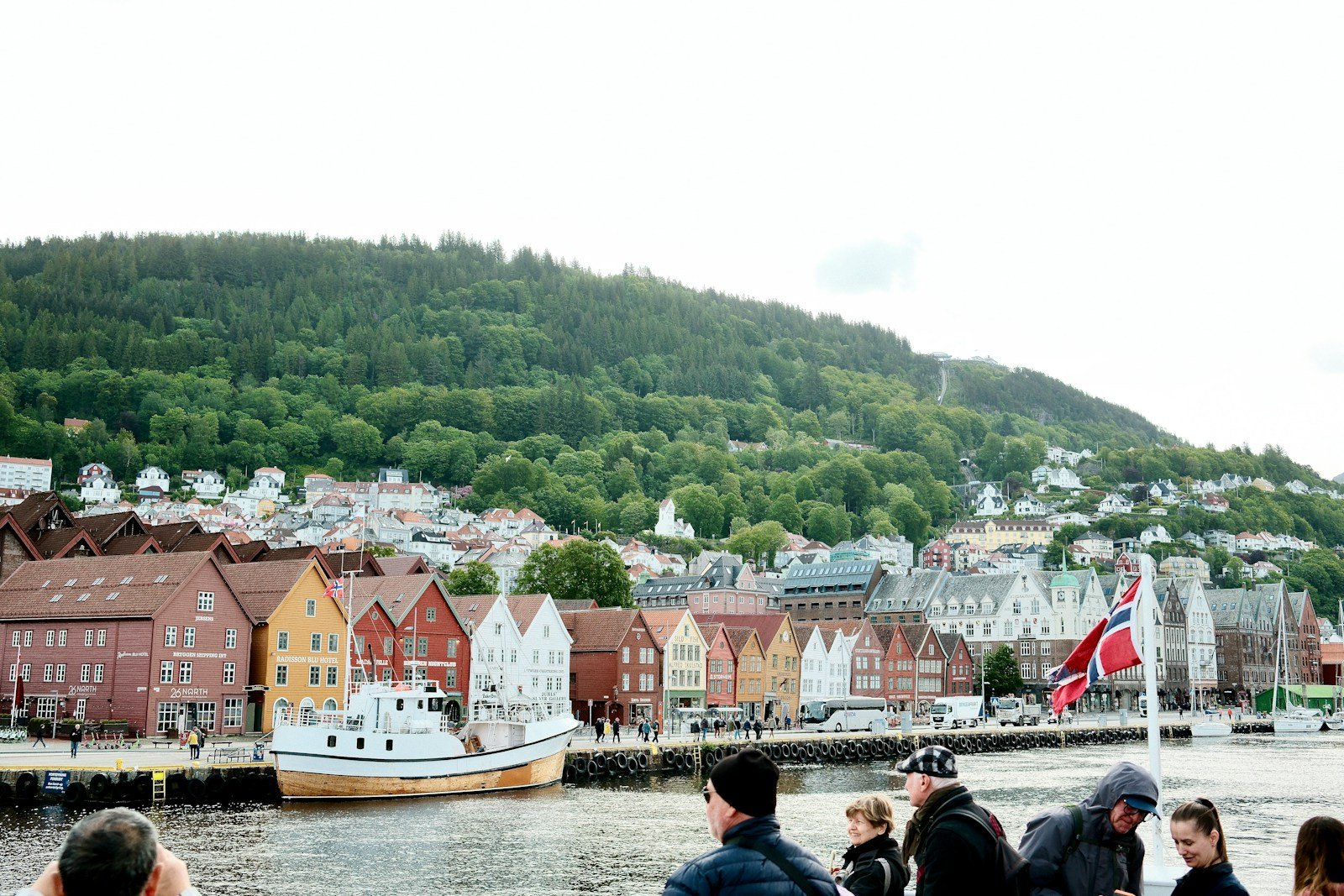
Norway, a land of breathtaking fjords, majestic mountains, and the enchanting Northern Lights, beckons travelers from across the globe. Planning a trip to this Scandinavian paradise is an exciting endeavor, but for many, the journey begins long before boarding a flight – with the visa application process. Securing a tourist visa is a crucial step, ensuring your adventure starts without a hitch.
This comprehensive guide is designed to demystify the Norway tourist visa requirements for 2025. Whether you’re a first-time applicant or simply need a refresher on the latest procedures and document checklists, we’ll walk you through every stage, from gathering your paperwork to understanding processing times and avoiding common pitfalls. Prepare to navigate the application process with confidence and ease.
What is a Schengen Visa and Why Do You Need One for Norway?
Before diving into the specifics of Norway’s requirements, it’s important to understand the Schengen Area. This zone comprises 29 European countries that have abolished passport and all other types of border control at their mutual borders. Norway is a proud member of this agreement, meaning that a tourist visa issued by Norway is a Schengen visa.
A Schengen tourist visa typically allows you to stay in the Schengen Area for up to 90 days within any 180-day period. This means that once you enter Norway on this visa, you can travel freely between other Schengen countries without needing additional visas. Your journey to Norway is often a gateway to exploring a wider European adventure.
Essential Documents for Your Norway Tourist Visa Application (2025 Checklist)
Core Application Forms and Identification: What’s Required?
Gathering the correct documents is perhaps the most critical step in your visa application. Incomplete or incorrect submissions are a leading cause of delays or rejections. Here’s a detailed checklist for 2025:
Proof of Financial Means: Can You Afford Your Trip?
- Schengen Visa Application Form: This must be completed accurately, signed, and dated. Many countries require you to fill this out online and then print it.
- Valid Passport: Your passport must be valid for at least three months beyond your intended departure date from the Schengen Area. It should have at least two blank pages for the visa stamp. Ensure it was issued within the last 10 years.
- Passport-Sized Photographs: Two recent photos (not older than six months) meeting Schengen photo requirements. They should be in color, 35x45mm, with a plain white background, and your face clearly visible.
- Travel Itinerary: A detailed plan of your trip, including confirmed round-trip flight reservations and proof of accommodation for the entire duration of your stay in the Schengen Area (e.g., hotel bookings, confirmed cruise itinerary).
Consular authorities need assurance that you can financially support yourself during your stay without relying on public funds. This is a crucial aspect of your application.
- Bank Statements: Provide original bank statements for the last three to six months, showing sufficient funds to cover your expenses. There isn’t a universally fixed minimum amount, but generally, you should demonstrate approximately EUR 50-70 per day of your stay, plus funds for return travel. The statement should clearly show the account holder’s name, account number, and transaction details.
- Proof of Income: Recent payslips (last three months), employment contract, or a letter from your employer stating your salary and employment status.
- Sponsorship Letter (if applicable): If someone else is sponsoring your trip, they must provide a formal sponsorship letter, their bank statements, and a copy of their passport/ID. This letter should clearly state their commitment to cover your expenses.
- Travel Medical Insurance: This is mandatory. Your insurance policy must be valid throughout the entire Schengen Area and cover the entire period of your intended stay. It must have a minimum coverage of EUR 30,000 (approximately USD 33,000) for emergency medical treatment, hospitalization, and repatriation in case of death. Always carry a copy of your policy certificate.
- Proof of Accommodation: Confirmed hotel reservations for the entire duration of your stay in Norway and any other Schengen countries you plan to visit. If staying with friends or family, an invitation letter from your host, along with a copy of their passport/ID and proof of their address, is required.
- Proof of Employment or Status:
- For Employees: An original letter from your employer stating your position, salary, start date, and approved leave dates. Also, provide your last three months’ payslips.
- For Self-Employed Individuals: Business registration documents, recent tax returns, and bank statements of your business.
- For Students: A letter from your educational institution confirming enrollment and approved leave.
- For Retirees: Proof of pension or retirement benefits.
- For Unemployed: A letter explaining your financial situation and how you plan to fund your trip (e.g., spouse’s income, savings).
Additional Documents (Minors, etc.):
- For Minors: If traveling with minors, their original birth certificate is required. If the minor is traveling alone or with only one parent, a notarized consent letter from the non-traveling parent(s) or legal guardian(s) is mandatory. Copies of the parents’ passports/IDs must also be included.
Navigating the VFS Global Appointment Booking Process
Most Norwegian embassies and consulates outsource visa application submissions to VFS Global, a specialist external service provider. You will typically need to book an appointment at a VFS Global application center in your country of residence to submit your documents and provide biometrics.
Here’s a general step-by-step guide to booking your VFS appointment:
- Visit the VFS Global Website: Go to the official VFS Global website for your specific country of residence and select Norway as your destination country.
- Register an Account: You’ll likely need to create an account to access the booking system.
- Select Visa Type: Choose ‘Schengen Visa’ and then ‘Tourist Visa’ as your purpose of travel.
- Fill Application Details: You might be prompted to fill out a preliminary online application form or enter details from your pre-filled Schengen application form.
- Choose Application Centre: Select the VFS Global center most convenient for you.
- Pick Date and Time: Browse the available slots and choose a date and time for your appointment. Book well in advance, especially during peak travel seasons (summer, holidays), as slots can fill up quickly.
- Confirm and Print: Once your appointment is confirmed, print the confirmation letter. You’ll need this to enter the VFS Global center. Make sure to arrive punctually on your scheduled date.
Biometrics and Visa Processing Timeframes for Norway (2025)
What to Expect During Your Biometrics Appointment?
Your appointment at VFS Global is not just for document submission; it’s also where your biometric data will be collected.
- Fingerprints: You will have all ten of your fingerprints scanned digitally.
- Digital Photograph: A digital photograph of your face will be taken.
This process is usually quick and straightforward. Ensure your hands are clean and free of any temporary markings. If you have provided biometrics for a Schengen visa within the last 59 months (approximately 5 years), you might be exempt from providing them again, but this depends on the specific consulate and system. Always confirm this with VFS Global.
How Long Does Norway Visa Processing Take?
After submitting your application and biometrics, the waiting period begins. The standard processing time for a Norway Schengen tourist visa is typically 15 calendar days from the date your complete application is received by the embassy or consulate.
However, this can vary significantly:
- Peak Season: During busy periods (e.g., summer months, holidays), processing times can extend to 30 or even 45 days.
- Nationality: Some nationalities may require additional checks, which can lengthen the process.
- Incomplete Applications: Any missing documents or requests for further information will inevitably cause delays.
It is highly recommended to apply for your visa well in advance, ideally 3-6 months before your intended travel date, but no earlier than six months. You can often track the status of your application online via the VFS Global website using a reference number provided at the time of submission.
Common Reasons for Norway Tourist Visa Rejection and How to Avoid Them
A visa rejection can be disheartening, but understanding the common reasons can help you avoid them:
- Incomplete or Incorrect Documentation: This is the most frequent reason. Ensure every required document is present, accurate, and up-to-date. Double-check all dates, signatures, and validity periods.
- Insufficient Funds: Not demonstrating enough financial means to cover your trip and return. Your bank statements should show consistent activity and a healthy balance.
- Unclear Purpose of Travel: The consular officer must be convinced of your genuine intention to visit as a tourist and return to your home country. Vague itineraries or a lack of supporting documents (e.g., hotel bookings, flight tickets) can raise red flags.
- Doubt About Intent to Return: If the consular officer believes you might overstay your visa or have intentions other than tourism, your application could be rejected. Strong ties to your home country (job, family, property) should be clearly demonstrated.
- Invalid Travel Insurance: Not having the correct type or amount of coverage, or the policy not covering the entire Schengen area/duration of stay.
- Previous Visa Violations: A history of overstaying visas or other immigration infractions in any country can severely impact your application.
If your visa is rejected, you will receive a refusal letter stating the reasons. You usually have the right to appeal this decision, following the instructions provided in the letter.
Expert Tips for First-Time Norway Visa Applicants
Applying for your first Schengen visa can feel daunting, but these tips will help streamline the process:
- Start Early: Give yourself ample time – ideally 3-6 months before your trip. This allows for any unexpected delays or requests for additional documents.
- Be Meticulous: Double-check every single document against the official checklist. Any discrepancy, however small, can cause issues. Organization is key.
- Be Honest and Consistent: Provide truthful information across all your documents and forms. Inconsistencies can lead to suspicion and rejection.
- Organize Your Documents: Arrange your documents in the order specified by the embassy or VFS Global. Use dividers or clips to keep sections neat and easily accessible.
- Prepare for Your Interview (if applicable): While not all applicants are interviewed, be ready to clearly articulate your travel plans, purpose, and ties to your home country if asked.
- Keep Copies: Make photocopies of your entire application packet before submission. This is useful for your records and if any documents are requested again.
- Show Strong Ties to Home: Emphasize your reasons for returning to your home country, such as employment, family responsibilities, property ownership, or ongoing studies. This reassures the authorities of your non-immigrant intent.
Conclusion
Embarking on a journey to Norway is an experience of a lifetime, and a well-prepared visa application is your first step towards making that dream a reality. While the process may seem complex at first glance, breaking it down into manageable steps and understanding the requirements thoroughly will significantly increase your chances of a successful outcome.
Remember, diligence and attention to detail are your best allies. By following this comprehensive guide for Norway tourist visa requirements in 2025, you’re well-equipped to navigate the application process smoothly. Start gathering your documents today and look forward to the stunning landscapes and rich culture that await you in Norway!
I need help